
 phillis
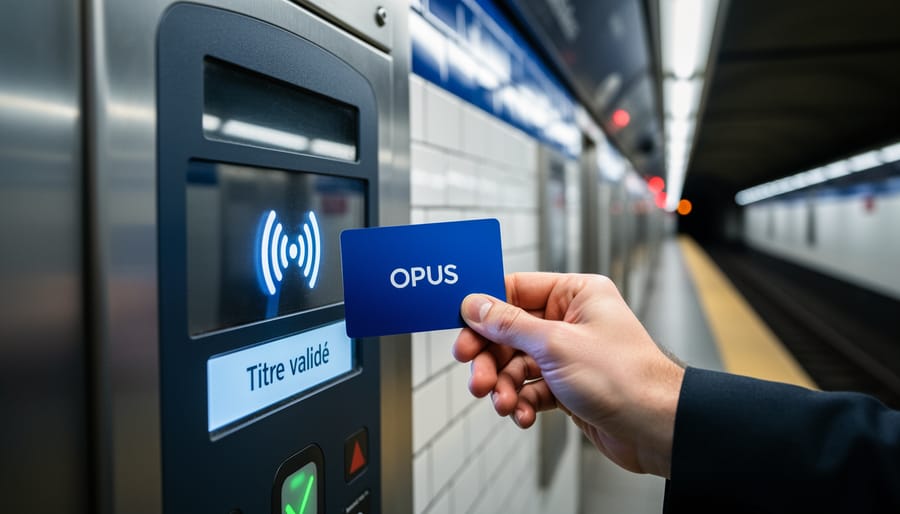
Navigating Montreal’s public transit system is straightforward once you understand the OPUS card system and Zone A fares that connect you to the city’s best entertainment districts, cultural venues, and nightlife hubs. The STM (Société de transport de Montréal) operates an integrated network of métro and bus lines that work seamlessly with the region’s exo and REM trains, all accessible with a single rechargeable OPUS card. For visitors, the process comes down to three essentials: purchasing your $6 OPUS card at any métro station, loading it with at least one trip (the 1-trip, All modes A ticket covers métro, bus, and train travel within Zone A), and validating it each time you board.
Montreal’s transit system is built for exploration. The métro’s four color-coded lines reach from Old Montreal’s cobblestone charm to the Plateau’s creative energy, while buses fill in the gaps to neighborhoods and attractions beyond the underground network. Whether you’re heading to a festival on Sainte-Catherine Street, catching a show in the Quartier des Spectacles, or exploring the markets and museums scattered across the island, the STM puts it all within reach.
The beauty of the system lies in its visitor-friendly design. Your OPUS card remains valid for four years and works across multiple transit authorities in the Greater Montréal and Québec City areas, making it useful for day trips beyond the city limits. The card itself becomes a practical souvenir, ready to reload whenever you return. Before you start hopping between venues and districts, our Montreal Visitors Guide offers essential context for planning your movements around the city, but mastering the transit system itself requires knowing exactly what to buy, where to validate, and how to avoid common newcomer mistakes that can disrupt your journey.
What You Need to Ride Montreal’s Public Transit
Understanding the OPUS Card System
The OPUS card is Montreal’s reusable smart card for public transit, functioning as your electronic ticket across the STM metro, buses, and several other transit systems throughout Greater Montreal. Think of it as a rechargeable transit wallet that you tap on readers when boarding. Unlike single-use paper tickets, this plastic card stores your fares digitally and works seamlessly across most transit authorities in the region, from the metro downtown to suburban bus lines.
When you buy an OPUS card for $6 you’re making a one-time investment that pays for itself quickly. The card itself is separate from your actual transit fares, you’ll need to load at least one trip onto it before you can ride. Standard cards without photos remain valid for four years, so you can check the OPUS card expiry date printed on the back to see how long yours will last.
For tourists, the OPUS card offers clear advantages. You’ll skip ticket lines after your initial purchase, reload fares whenever convenient, and avoid fumbling with cash or paper tickets while boarding. The card tracks transfers automatically within the system, and because it works across multiple transit operators in Greater Montreal, you won’t need separate tickets if your plans take you beyond STM territory. It’s compact, reusable across multiple visits to the city, and simplifies the entire transit experience from your first ride to your last.
Where to Get Your OPUS Card and Fare Media
You’ll find OPUS cards available at multiple convenient locations throughout Montreal’s transit network. Station agents working inside métro stations can help you purchase a card and load your first trip right away. Most métro stations also feature vending machines where you can buy and reload OPUS cards independently without waiting in line.
Beyond the métro system, OPUS cards are sold at various points of sale across the city, including participating retail locations and transit service centers. When you arrive in Montreal, head to any major métro station to pick up your card. Downtown stations like Berri-UQAM, McGill, and Bonaventure handle high volumes of visitors and typically have both staffed counters and multiple vending machines available.
Remember to bring at least $6 for the card itself, plus fare for your first trip since you must load at least one journey when purchasing. If you’re landing at the airport, consider stopping at a métro station during your route into the city rather than searching for OPUS cards outside the transit network. Station vending machines accept standard payment methods, making the purchase process straightforward for international visitors.
Important Considerations Before You Board

Before you start riding Montreal’s public transit, understanding a few critical rules will save you from fines, frustration, and delays. These requirements aren’t optional, and visitors who skip them often face problems.
Always validate your OPUS card or ticket when you enter the métro or board a bus. At métro stations, tap your card on the reader at the turnstile before passing through. On buses, tap the reader near the driver as you board. The validation reader displays a green light and beeps to confirm your payment was accepted. If you don’t validate, you’re traveling without proof of payment, which can result in a fine even if you have credit on your card.
Keep your validated OPUS card or transfer slip with you during your entire journey. Transit inspectors regularly check for proof of payment, and you must present it on demand. The excuse that you forgot to tap won’t prevent a fine.
Zone boundaries matter. The 1-trip All modes A fare covers the métro, bus lines, exo train, and REM train within Zone A, which includes central Montreal and most tourist areas. If your destination falls outside Zone A, you need a different fare. Check zone maps before boarding to avoid being caught without proper payment.
Transfers work within a set time window, typically around 120 minutes, but they’re not unlimited trips. You can transfer between métro and bus or between buses as part of one continuous journey. You cannot exit the métro, run errands, and re-enter on the same validation. Each new journey requires a new validation, and these basic transit safety tips help visitors stay compliant.
Step-by-Step: Using Montreal’s Metro and Bus Network
Step 1: Choose Your Fare Type
Your first decision with the OPUS card is selecting the right fare for how you’ll explore Montreal. The 1-trip All modes A ticket covers one complete journey on any combination of métro, bus, exo train, and REM train within Zone A, making it ideal if you’re testing the system or taking just a couple of rides during your visit.
Calculate whether single trips or a pass makes sense for your stay. If you’re planning three or more trips per day, an unlimited pass typically offers better value than loading multiple single-trip fares. For a weekend hitting festivals in different neighborhoods or a week exploring museums across the city, passes eliminate the mental math of counting trips.
Zone A encompasses downtown Montreal and most attractions visitors target, including Old Montreal, Plateau Mont-Royal, and the entertainment districts along the Orange and Green metro lines. Unless your itinerary includes suburbs served by exo commuter trains, Zone A fares handle the vast majority of tourist movement. Think about your planned destinations before loading your card, list the attractions you want to reach, check their metro stations, and verify they fall within the core Zone A coverage that your fare addresses.
Step 2: Load Fares Onto Your OPUS Card
Once you have your OPUS card in hand, head to a vending machine inside any métro station. The machines accept multiple payment methods and offer a clear, step-by-step interface. Select “Load a card,” tap your OPUS card on the reader, then choose what you want to add: individual 1-trip All modes A tickets, day passes, or multi-day options.
If you plan to explore Montreal over several days, loading multiple trips at once saves you from queuing repeatedly. For a weekend of festival-hopping and museum visits, consider adding five or six single trips, or purchase an unlimited pass if your itinerary involves frequent transit use throughout the day.
Station agents can help if you’re unsure which option suits your plans or if the machine interface feels confusing. Simply approach the booth, explain how long you’re visiting and what you want to see, and they’ll recommend the most cost-effective fare structure. Keep your loaded OPUS card secure, it holds your credit, and replacing lost funds takes time you’d rather spend exploring the Plateau or catching a show downtown.
Step 3: Validate Your Card When Boarding
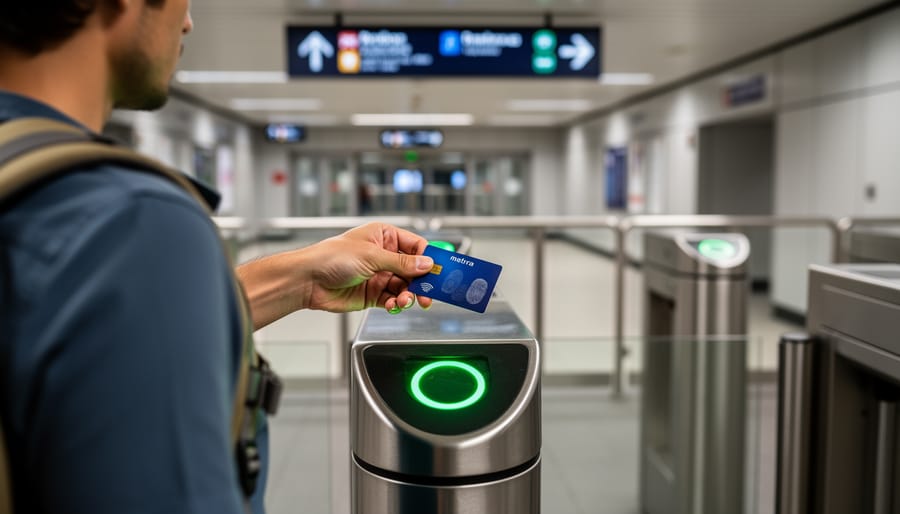
When you board a métro train or bus, you’ll tap your OPUS card against a card reader to validate your fare. In métro stations, these readers are positioned at turnstiles, hold your card flat against the illuminated target area for about one second. A green light and a beep confirm successful validation, allowing the turnstile to unlock. If you see a red light or hear an error tone, check that your card has sufficient credit loaded and try again.
On buses, the card reader is mounted near the driver. Board through the front door and immediately tap your OPUS card on the reader as you enter. Wait for the green confirmation signal before taking your seat. Don’t board through rear doors unless directed otherwise, as you won’t be able to validate your fare.
Failed validation usually means your card lacks loaded trips or your pass has expired. If you can’t resolve the issue at a reader, seek help from a station agent at métro booths or ask the bus driver before the vehicle departs. Never board without validating, fare inspectors conduct random checks, and riding without proof of payment results in fines.
Step 4: Navigate Routes to Popular Attractions
Montreal’s metro maps are posted prominently at station entrances and inside every train car. The four color-coded lines, orange, green, yellow, and blue, make orientation straightforward. Trace your starting station to your destination, note any transfer points where lines intersect, and count the number of stops to gauge travel time.
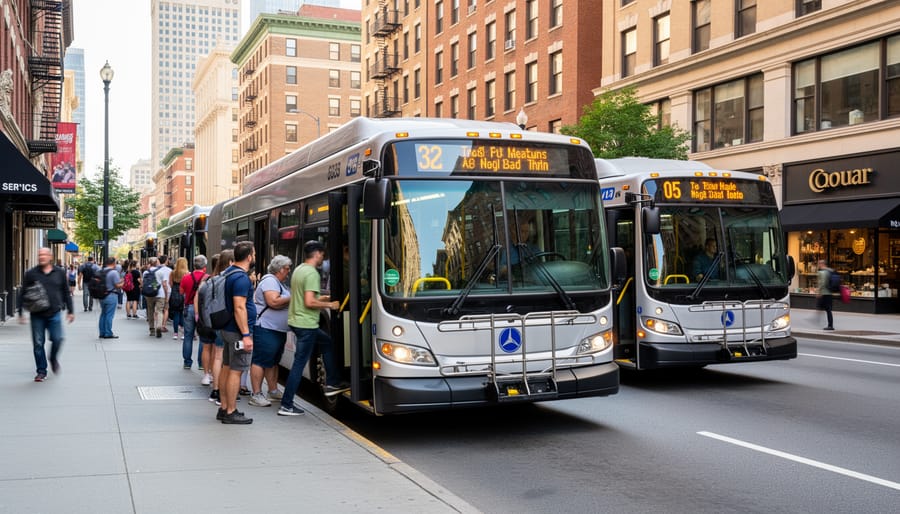
Bus route numbers and destinations appear on digital displays at stops and on the front of each bus. Cross-reference these with the STM’s route map (available at metro stations or online) to confirm you’re boarding the correct line. Many popular attractions sit within walking distance of metro stations, but buses extend your reach to neighborhoods like Mile End or specific venues along major corridors.
In-station signage uses clear directional arrows and lists all stops along each line in order. Follow signs marked “Sortie” (exit) or transfer indicators to switch lines efficiently. Platform announcements call out the next station in French, with visual displays confirming upcoming stops, watch these closely as you approach your destination.
Plan connections by identifying which metro line serves the district you’re visiting, then checking if a short bus ride narrows the walk to your exact venue. The 1-trip All modes A fare covers both segments seamlessly within Zone A, letting you combine metro and bus travel without additional charges.
Step 5: Using Transfers and Unlimited Passes
The 1-trip All modes A ticket includes a 120-minute transfer window from the moment you first validate your OPUS card. During this window, you can transfer freely between métro lines, buses, and even exo or REM trains within Zone A, all on the same fare. Tap your card each time you board a bus or enter a station; the system tracks your transfer eligibility automatically. The timer starts at your first validation, not when you exit, so plan connections accordingly to avoid the fare expiring mid-journey.
If you’re exploring multiple neighborhoods or planning festival-hopping across Montreal, an unlimited pass eliminates transfer tracking entirely. Weekend passes and 3-day passes let you ride as often as you want without watching the clock. This flexibility is ideal for visitors who want to bounce between Old Montreal’s cobblestone streets, Plateau Mont-Royal’s indie shops, and downtown venues without recalculating fares. Load your pass onto your OPUS card before your first trip, then validate once each time you board, the system recognizes the pass and won’t deduct additional fares.
Verifying You’re Using Transit Correctly
Watch for the confirmation beep and green light every time you tap your OPUS card on the reader at metro turnstiles or bus validators. This immediate feedback tells you your fare registered properly and you’re authorized to ride. If you see a red light or hear an error tone, tap again or check your card balance before proceeding.
Before starting a longer journey or heading to attractions in different zones, verify your card has enough credit or an active pass. You can check your balance at any metro station vending machine by selecting the balance inquiry option and tapping your card. For multi-stop trips across Montreal’s entertainment districts, confirm you have either sufficient loaded trips or a valid unlimited pass that covers your entire itinerary.
Pay attention to the reader display when boarding buses, which shows your remaining balance or pass validity period. This quick glance confirms your payment method is working correctly. If your card fails to validate after multiple attempts, the magnetic strip may be damaged or your fare may have expired. Metro station agents can test your card and help determine whether you need to reload fares or replace a malfunctioning card.
Common validation mistakes include tapping too quickly, holding your card at the wrong angle, or carrying multiple OPUS cards together, which confuses the reader. Keep your card separate from other cards, tap firmly for one full second, and wait for confirmation before moving through the turnstile. When in doubt about proper system use or validation issues, approach station agents or bus drivers immediately rather than risking travel without valid fare.
Reaching Montreal’s Top Entertainment Districts by Transit
Old Montreal sits at the heart of Montreal’s historic charm, and the Orange Line makes it effortless to reach. Exit at Place-d’Armes station to land steps from Notre-Dame Basilica, cobblestone streets, and the waterfront. Champ-de-Mars station drops you near the Bonsecours Market and Old Port. Both stations connect you to walking routes through the district’s galleries, boutiques, and dining by transit hot spots without transfers.
For Plateau Mont-Royal and Mile End, take the Orange Line to Mont-Royal station. Walk north along Rue Saint-Denis or Avenue du Parc to explore cafés, record shops, and street murals. The Green Line’s Laurier station also serves the Plateau, landing you near Parc Lafontaine and the neighborhood’s residential charm. Mile End sits farther north along the same corridors, accessible via a short bus ride on the 55 or by extending your walk.
Downtown festival sites cluster around Place des Arts, served by the Green Line station of the same name. This hub puts you at the doorstep of Quartier des Spectacles, where year-round events and cultural programming unfold. For sports, take the Orange Line to Bonaventure for Bell Centre hockey and concerts, or ride to Jean-Drapeau station on the Yellow Line to reach Olympic Stadium area events via connecting buses.
Cultural attractions scatter across the metro map. The Biosphere exhibitions on Île Sainte-Hélène are a short walk from Jean-Drapeau station. The Musée des beaux-arts de Montréal sits near Guy-Concordia or Peel stations on the Green Line. The Biodôme and Olympic Tower cluster at Viau station on the Green Line, accessible without transfers from downtown.
Plan your routes by identifying the nearest metro line color, then checking if direct service or a single transfer gets you closest to your destination. Downtown stations link multiple lines, making most entertainment zones reachable within 20 minutes from any central point.
Common Questions About Montreal Public Transit
Can I use one OPUS card for multiple people?
No, each person needs their own OPUS card. The card is designed for individual use and validation systems track single-passenger trips, so you can’t share or pass one card between travelers.
How long is a single trip valid?
The 1-trip All modes A ticket is valid for one continuous journey, which means you can transfer between the métro, bus, exo train, and REM train in Zone A as long as you don’t exit the system or interrupt your trip. Once you validate, complete your journey without leaving stations or getting off buses at non-transfer points.
What if my OPUS card doesn’t work at the validator?
First, check that you have sufficient credit loaded and that your card isn’t expired (non-photo cards are valid for 4 years). If the validator still won’t read it, visit a station agent immediately, they can check your card’s status, transfer your balance to a new card if needed, or help troubleshoot the issue.
Where can I reload my OPUS card after my initial purchase?
You can reload your card at vending machines in métro stations or by visiting station agents at any point of sale. Load multiple trips at once to avoid frequent top-ups during your visit.
Beyond these common scenarios, visitors often wonder whether their card works across all Greater Montréal transit authorities. OPUS cards function seamlessly on most systems in the region, making them convenient for day trips beyond the city center. Just ensure you’ve loaded the appropriate fare type for your planned route and zones.
Another frequent concern involves lost or stolen cards. Since the $6 card cost is separate from your loaded fares, losing an unregistered card means losing whatever credit you put on it. Keep your card secure and treat it like cash, there’s no way to recover the balance on a non-photo card if it goes missing.
First-time metro riders sometimes ask about station layouts and signage. Montreal’s métro uses clear color-coded lines and directional indicators in both French and English. Follow the orange signs for exits (sortie) and look for the blue transfer corridor signs (correspondance) when switching lines. Station agents are stationed at major hubs if you need clarification, and most locals are willing to point confused visitors in the right direction.
Montreal’s public transit system isn’t just a way to get around, it’s your gateway to the city’s vibrant cultural heartbeat. With an OPUS card in hand, loaded with the right fares, you can hop on the métro or bus and reach festivals in the Quartier des Spectacles, bistros in the Plateau, jazz clubs in downtown, and historic sites in Old Montreal without the hassle of parking or navigating unfamiliar streets.
The process is straightforward: pick up your OPUS card at any métro station, load it with single trips or passes depending on your plans, and validate when you board. Within minutes, you’ll move seamlessly across neighborhoods, experiencing Montreal the way locals do. Transit connects you to every corner of the city’s entertainment landscape, from summer festivals to winter markets, art galleries to sports venues.
Embrace the STM network as part of your Montreal adventure. It’s reliable, efficient, and designed to help visitors explore freely. Whether you’re catching a show, discovering hidden cafés, or simply wandering through different districts, public transit transforms your visit from a series of isolated stops into a cohesive, authentic Montreal experience.