
 Phillis Rush
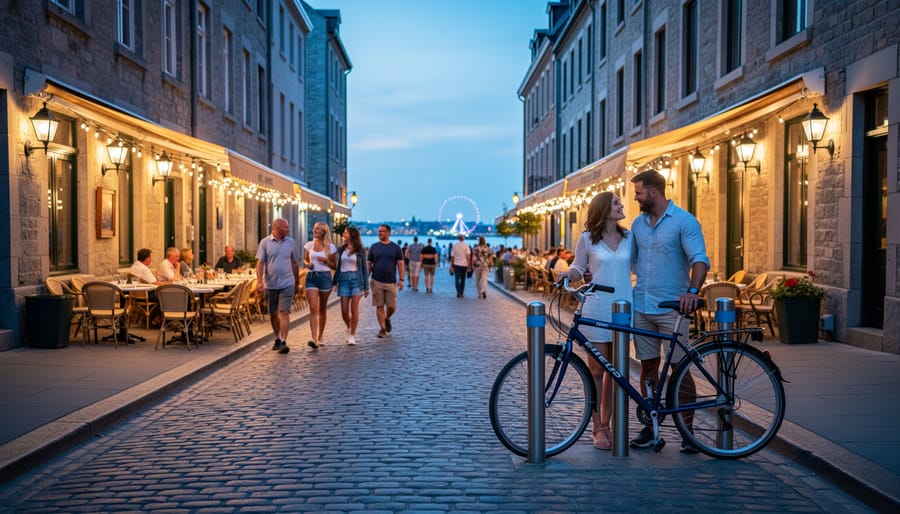
Montreal consistently ranks among North America’s safest major cities, with crime rates significantly lower than comparable metropolitan areas like New York, Chicago, or Los Angeles. The data tells a reassuring story: violent crime remains rare in tourist areas, and most visitors experience nothing more concerning than navigating the city’s charming cobblestone streets in Old Montreal.
Understanding the real safety picture means separating perception from reality. While every city has neighborhoods requiring extra awareness, Montreal’s compact tourist zones—including the Plateau, Mile End, Downtown, and the Old Port—maintain excellent safety records year-round. The city’s extensive metro system operates reliably until 1 AM, well-lit streets encourage evening strolls, and locals routinely walk home after late dinners without concern.
Your accommodation choice significantly impacts your Montreal experience, but safety considerations differ from cities where neighborhood selection feels critical. The practical risks you’ll actually encounter involve pickpocketing in crowded festivals, bicycle theft if you don’t use proper locks, and occasional car break-ins in specific parking areas—manageable concerns with basic precautions rather than threats to personal safety.
This guide cuts through vague reassurances to deliver neighborhood-specific insights, statistical comparisons with other cities, and honest assessments of situations travelers actually face. Whether you’re booking your first Montreal visit or comparing accommodation options, you’ll gain the concrete information needed to choose confidently and explore this vibrant city without unnecessary worry.
Montreal’s Safety Track Record: The Numbers Tell a Story
Let’s start with the facts that matter most to travelers: Montreal consistently ranks among the safest major cities in North America, and the statistics back this up convincingly. The numbers aren’t just reassuring—they tell the story of a metropolitan area where safety is the norm, not the exception.
When examining crime comparisons with US cities, Montreal’s violent crime rate sits significantly lower than most American urban centers. The city’s homicide rate hovers around 1.5 per 100,000 residents, which is remarkably low for a city of nearly two million people. To put this in perspective, that’s comparable to many European capitals and considerably safer than most North American counterparts.
| City | Violent Crime Rate (per 100,000) | Property Crime Rate (per 100,000) |
|---|---|---|
| Montreal | 585 | 2,847 |
| Toronto | 695 | 2,354 |
| New York | 542 | 1,456 |
| Chicago | 943 | 2,901 |
| Vancouver | 1,058 | 5,428 |
The Crime Severity Index, which measures both the volume and seriousness of police-reported crime, places Montreal below the national Canadian average. This metric is particularly telling because it accounts for the relative severity of different offenses, giving you a more nuanced picture than raw numbers alone.
International safety indexes consistently rank Montreal favorably. The Economist Intelligence Unit’s Safe Cities Index places Montreal among the top tier of global cities for personal security, digital security, and health security. For travelers, this translates to peace of mind when exploring neighborhoods, using public transit, or enjoying the city’s legendary nightlife.
What makes these statistics particularly relevant for visitors is their consistency over time. Montreal hasn’t simply had a good year or two—the city has maintained these favorable safety metrics for decades, suggesting stable, effective urban management and community policing practices that create genuinely secure environments for both residents and visitors alike.
Neighborhood by Neighborhood: Where to Stay Without Worry
The Safest Areas for Tourist Accommodation
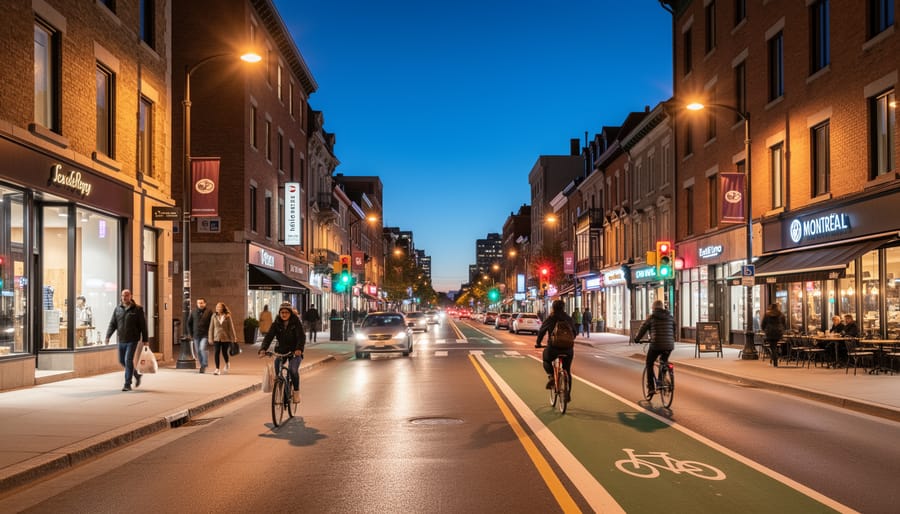
When choosing where to stay in Montreal, you’ll find several neighborhoods stand out for their exceptional safety records and welcoming atmosphere. The Plateau-Mont-Royal consistently ranks among the city’s most secure districts, combining residential tranquility with vibrant street life. This artsy neighborhood’s tree-lined streets and active community presence create natural surveillance that deters crime, making it a favorite among independent travelers who want to experience authentic Montreal without compromising on security.
Outremont offers an even more peaceful retreat, where you’ll discover elegant residential streets, charming cafes, and a strong neighborhood watch culture. According to SPVM crime data, this predominantly residential area maintains some of the lowest incident rates in the city. Families and solo travelers particularly appreciate the quiet evenings and well-lit pedestrian paths that make nighttime strolls feel entirely comfortable.
Westmount stands as Montreal’s most affluent neighborhood, where manicured parks and low-density housing contribute to remarkably low crime statistics. The area’s dedicated municipal police service provides additional security layers beyond standard city coverage. While accommodations here tend toward the higher end, the peace of mind and walkable access to boutique shopping makes it worthwhile for travelers prioritizing safety.
The historic Old Montreal, despite being tourist-heavy, maintains strong police visibility and benefits from constant foot traffic during daylight hours. Choose accommodations along the quieter side streets rather than directly on busy thoroughfares for the best balance of access and tranquility.
Areas Requiring Extra Awareness
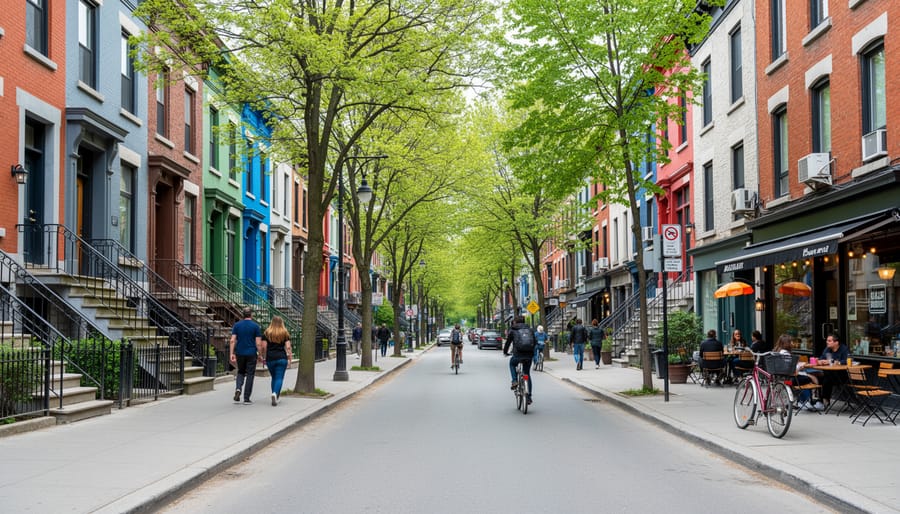
Like most major cities, Montreal has areas where keeping your awareness heightened is simply smart travel practice. The neighborhoods around certain sections of downtown, particularly along Boulevard Saint-Laurent south of Sherbrooke and parts of the Quartier des Spectacles late at night, can feel less comfortable when streets empty after venues close. You’re not in danger necessarily, but staying alert and confident makes sense.
The Hochelaga-Maisonneuve neighborhood has historically faced economic challenges, though it’s rapidly gentrifying with excellent restaurants and cafés. Evening visits are generally fine on main streets, but wandering residential side streets alone after midnight isn’t recommended. Similarly, sections of Montreal-Nord and Saint-Michel see less tourist traffic and benefit from the buddy system during nighttime explorations.
Metro stations like Berri-UQAM and Lionel-Groulx occasionally attract aggressive panhandling during late hours. The key is maintaining awareness without paranoia—most incidents involve property rather than personal safety. Transit remains reliable and safe overall, but keeping valuables secure and avoiding deserted platforms alone at 2 AM demonstrates good judgment anywhere.
Remember, these considerations apply to relatively small pockets of an otherwise welcoming city where millions of visitors explore comfortably every year.
The Metro Connection: How Transit Affects Your Accommodation Choice
Montreal’s metro system is your secret weapon for staying virtually anywhere in the city with confidence. The efficient STM network connects 68 stations across four lines, meaning neighborhoods that might seem far from downtown become surprisingly accessible. This connectivity transforms your accommodation options dramatically—you’re not limited to pricey downtown hotels to feel safe and connected.
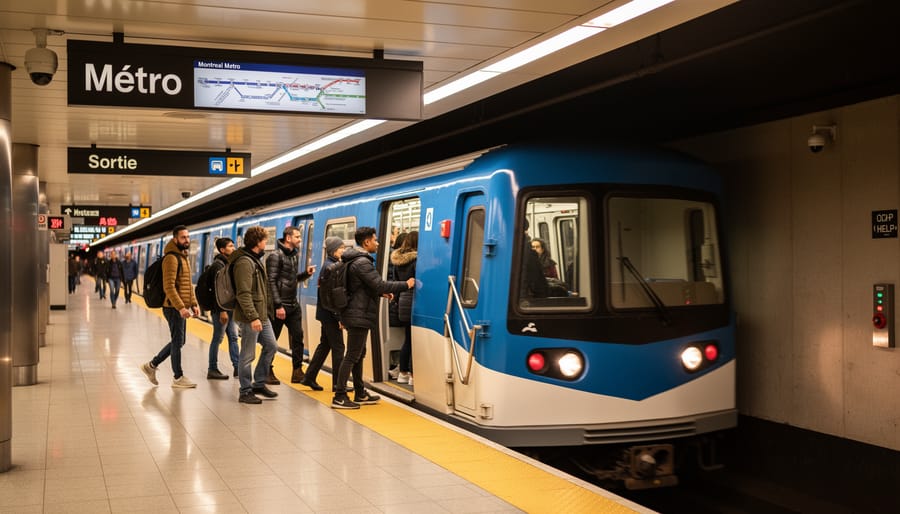
Choosing lodging within walking distance of a metro station gives you immediate access to well-lit, monitored public spaces and regular foot traffic, even in residential areas. The metro runs until 12:30 AM on weekdays and 1:00 AM on weekends, providing safe passage back to your accommodation after evening explorations. Stations themselves feature security cameras and staff presence, creating natural safety zones around them.
Neighborhoods like Rosemont, Verdun, or even Côte-des-Neiges—once considered too peripheral for tourists—become perfectly viable options when you’re steps from a metro entrance. You’ll save considerably on accommodation costs while maintaining the same level of security and convenience. The real advantage? Living like a local in authentic Montreal neighborhoods rather than tourist-heavy zones, all while keeping safety front and center.
Street Smarts: Navigating Montreal at Different Times of Day
Daytime Safety: Why You Can Explore Freely
Montreal truly shines during daylight hours, offering travelers one of the safest urban exploration experiences in North America. The city’s daytime environment feels remarkably secure, and there’s good reason for this confidence.
The streets buzz with activity from early morning through evening, creating what safety experts call “natural surveillance.” You’ll find locals jogging along the Lachine Canal at dawn, families strolling through Old Montreal’s cobblestone streets, and professionals enjoying lunch breaks in public squares. This constant presence of people creates an inherently safe atmosphere where everyone looks out for one another without even thinking about it.
Police visibility adds another layer of reassurance. The Service de police de la Ville de Montréal (SPVM) maintains a visible presence in tourist areas, cultural districts, and downtown corridors. Officers regularly patrol on foot, bicycle, and horseback, particularly around major attractions like Mount Royal Park and the Plateau.
What makes daytime exploration especially enjoyable is Montreal’s walkable design. The compact layout of neighborhoods means you’re never far from busy thoroughfares, shops, or cafés. Whether you’re photographing murals in the Mile End, browsing Jean-Talon Market, or discovering hidden courtyards in the Latin Quarter, you can wander with genuine peace of mind, focusing entirely on the experience rather than safety concerns.
After-Hours Reality Check
Montreal’s nightlife pulses with energy, and the good news is that the after-dark experience here is generally safe for visitors who take reasonable precautions. The city’s entertainment districts like the Plateau, Mile End, and Old Montreal remain bustling well past midnight, with plenty of foot traffic creating natural safety through numbers.
Walking back to your hotel after dinner is typically worry-free in tourist-friendly neighborhoods. The well-lit streets of downtown and the Quartier des Spectacles stay active until late, with fellow diners, concert-goers, and locals creating a vibrant atmosphere. That said, stick to main thoroughfares rather than cutting through empty side streets, especially if you’re unfamiliar with the area.
Rideshare services like Uber and local taxis are abundant and reliable for getting around after hours. Most restaurants and bars will happily call you a cab if you prefer not to walk. The metro runs until roughly 12:30 AM on weekdays and 1:30 AM on weekends, providing another safe transit option for early evening activities.
In entertainment districts like Crescent Street and Saint-Laurent Boulevard, you’ll encounter typical big-city nightlife dynamics: occasional rowdiness outside bars and clubs, panhandlers near popular venues, and the usual party crowd. These situations rarely escalate beyond minor annoyances. The key is maintaining awareness of your surroundings, keeping valuables secure, and traveling with companions when possible.
Solo travelers, including women, regularly navigate Montreal’s nightlife without incident. Trust your instincts, avoid overly deserted areas, and you’ll likely find the after-hours experience as welcoming as daytime exploration.
Common Concerns vs. Actual Risks for Visitors
Let’s cut through the worry and get to what actually happens on Montreal’s streets. Like many travelers, you might be picturing scenarios that rarely unfold in this remarkably safe Canadian city.
Pickpocketing ranks among the top concerns visitors express, yet Montreal experiences significantly lower rates than major European destinations. While petty theft does occur, it’s predominantly concentrated in crowded tourist zones during peak summer months—think Old Montreal during festivals or packed metro cars. The reality? Most visitors never encounter this issue. Simple awareness when navigating dense crowds at events like the Jazz Festival or exploring Marché Jean-Talon goes a long way.
Tourist-targeted scams are refreshingly uncommon here. You won’t encounter the aggressive friendship bracelet sellers of Paris or the elaborate distraction techniques common in Barcelona. The most frequent “scam” reported involves overpriced restaurant bills in ultra-touristy zones, easily avoided by checking menus beforehand. Montreal’s culture simply doesn’t foster the organized tourist scamming operations found elsewhere.
Vehicle break-ins present a more legitimate concern, particularly in certain neighborhoods and parking areas near attractions. Never leave valuables visible in your car, regardless of where you park. This isn’t unique to Montreal—it’s universal travel wisdom—but it deserves mention as one of the few crimes visitors genuinely might encounter.
Is pickpocketing common in Montreal?
Pickpocketing occurs infrequently compared to European tourist destinations, mainly in crowded festival areas and busy metro stations during summer. Basic vigilance with bags and phones is usually sufficient protection.
Are taxis and rideshares safe in Montreal?
Both licensed taxis and rideshare services like Uber operate safely throughout Montreal with strong regulations. Standard rideshare safety practices apply—verify your driver and vehicle details before entering.
Can I walk alone at night in Montreal?
Walking alone at night is generally safe in tourist areas and most neighborhoods, though exercising normal urban caution is wise. Stick to well-lit streets and remain aware of your surroundings.
Is there aggressive panhandling in Montreal?
Panhandling exists primarily in downtown areas but is rarely aggressive or threatening. Most interactions involve simple requests that are easily declined with a polite “non, merci.”
The perception versus reality gap often stems from conflating Montreal with American cities facing different challenges. This bilingual metropolis maintains a distinctly Canadian approach to public safety, with visible yet approachable police presence and strong community-oriented neighborhoods that naturally deter crime.
What Makes Montreal Particularly Safe for Tourists
Montreal’s reputation as a safe destination stems from several interconnected factors that create an environment where tourists can explore with confidence. At the foundation lies Canada’s strict gun control legislation, which significantly reduces violent crime compared to many other North American cities. You’ll notice this difference immediately – firearms are heavily regulated nationwide, contributing to lower rates of gun-related incidents that might concern travelers elsewhere.
The city benefits tremendously from robust social safety nets that address root causes of crime. Universal healthcare, accessible public housing programs, and comprehensive social services mean fewer people fall through societal cracks. This translates directly to safer streets for visitors, as economic desperation – often a driver of tourist-targeting crimes – is substantially mitigated.
Community policing represents another cornerstone of Montreal’s security approach. Officers maintain visible neighborhood presences, building relationships with residents and business owners rather than operating as distant enforcers. This creates networks of trust and communication that help prevent incidents before they occur. As a traveler, you’ll find police approachable and helpful, often multilingual and accustomed to assisting international visitors navigating the city.
Montreal’s cultural fabric itself enhances safety. The city embraces a genuinely welcoming attitude toward tourists, viewing visitors as valued guests rather than targets. This hospitality stems from Montreal’s identity as a cosmopolitan hub where diversity is celebrated daily. Locals take pride in their city and want you to experience it positively.
The combination of progressive infrastructure, preventative social policies, and inclusive community values creates an environment where tourism thrives safely. These aren’t abstract concepts – they manifest in well-lit streets, responsive emergency services, and countless positive interactions that define the Montreal experience for travelers worldwide.
Emergency Resources and Practical Safety Tools
Knowing how to access help quickly transforms any concern into a manageable situation. Montreal’s emergency infrastructure rivals any major North American city, and having these resources at your fingertips means you can explore with confidence.
For immediate emergencies, dial 911 to reach police, fire, or ambulance services. Operators speak both English and French, so language barriers won’t prevent you from getting assistance. Beyond emergency calls, Montreal offers several specialized support services that every traveler should know:
- 911
- Primary emergency number for police, fire, and medical emergencies. Available 24/7 with bilingual operators.
- 811
- Info-Santé health advice line connecting you with nurses who can guide you on whether your situation requires emergency care or a clinic visit.
- 514-280-2121
- Non-emergency police line for reporting incidents that don’t require immediate response, such as theft after the fact or minor disturbances.
- Tourist Assistance Program
- Specialized service helping visitors navigate issues like lost documents or reporting crimes, with staff understanding travelers’ unique needs.
Your country’s consulate can assist with lost passports, legal troubles, or emergency situations. Most consulates are located downtown along René-Lévesque Boulevard or in the financial district. Save your consulate’s contact information before arriving.
For healthcare, walk-in clinics like Clinique Médicale l’Actuel accept visitors without appointments, though wait times vary. Many clinics have staff comfortable treating international patients. Download apps like Transit for real-time public transportation updates and Google Maps offline capabilities for navigating when connectivity is limited. These practical tools ensure you’re never truly lost or without options during your Montreal adventure.
Montreal consistently ranks among the safest major cities in North America, giving you every reason to explore this vibrant destination with confidence. The statistics speak clearly: violent crime rates remain significantly lower than comparable North American cities, and neighborhoods throughout the city welcome millions of visitors each year without incident. Your Montreal adventure shouldn’t be overshadowed by exaggerated safety concerns, but rather enhanced by reasonable urban awareness that you’d practice in any metropolitan area.
As you plan your visit, remember that choosing the right accommodation creates the foundation for a secure and comfortable experience. Whether you settle into the historic charm of Old Montreal, the trendy cafés of Plateau Mont-Royal, or the cosmopolitan energy of downtown, selecting lodging in well-connected neighborhoods with good lighting and street activity naturally enhances your sense of security. Your hotel, apartment, or guesthouse becomes more than just a place to sleep—it’s your reliable home base between discoveries.
Walk Montreal’s cobblestone streets, dive into its festivals, savor its culinary scene, and immerse yourself in its bilingual culture with the assurance that you’re exploring one of the continent’s most welcoming cities. Smart travel habits combined with thoughtfully chosen accommodation let you focus on what truly matters: experiencing everything this remarkable city offers.